
How Often Should You Paint Your House in Portland Oregon
If you live in Portland, knowing how often to repaint your home is not just about curb appeal. It is about protection. According to the National Weather Service climate data for Portland, our region averages more than 36 inches of rainfall each year. That consistent moisture, combined with cool winters and mild summers, directly affects exterior paint lifespan. Homes in Sellwood, the Pearl District, near Forest Park, and along the Willamette River often experience higher humidity levels that can shorten repainting intervals.
At Mark Powers Painting, we help homeowners throughout Multnomah County determine the right painting schedule based on siding type, sun exposure, and neighborhood conditions. Whether your home sits near Hawthorne Boulevard, close to Mount Tabor, or along Highway 26 toward Beaverton, exterior paint serves as a barrier against water intrusion and surface deterioration. Repainting at the right time prevents peeling, cracking, and avoidable structural damage.
If you are unsure how long exterior paint lasts in Portland Oregon weather conditions, our team can evaluate your property and recommend a practical maintenance plan. Contact Mark Powers Painting today to schedule your estimate and protect your Portland home before minor paint issues become costly repairs.
What Impacts How Often You Should Repaint a House in Portland Neighborhoods
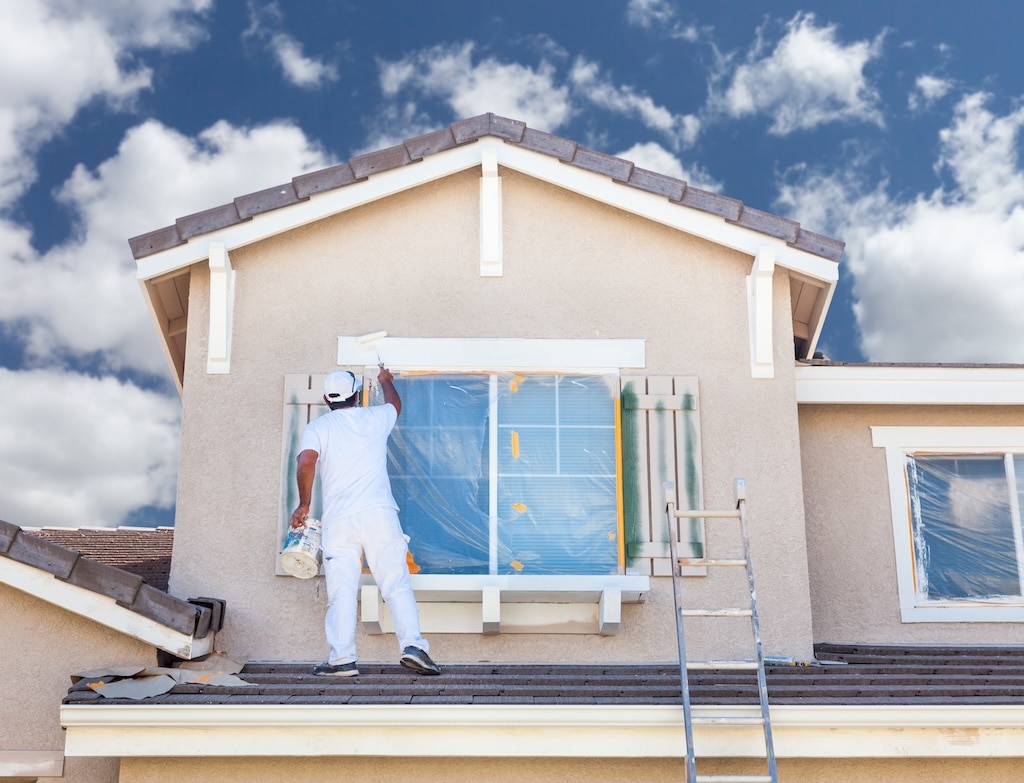
Portland homeowners often search how often to repaint a house in Portland because repaint timelines vary dramatically across Multnomah County. While general guidance suggests five to eight years for exterior paint, actual repaint frequency depends on moisture exposure, siding type, sun orientation, and prior surface preparation. Homes near Forest Park, along the Willamette River, or in shaded areas of Sellwood often experience higher humidity, which can shorten exterior paint lifespan.
At Mark Powers Painting, we evaluate repaint timing based on Portland’s climate realities rather than guesswork. Our region’s extended rainy season, paired with mild summers, creates consistent moisture pressure on siding and trim. According to the U.S. Environmental Protection Agency guidance on mold and moisture, persistent dampness contributes to surface breakdown and biological growth. Therefore, repaint schedules must account for environmental stress, not just visible fading.
How Portland Microclimates Change Repaint Timelines
Not every home in Portland ages the same way. Microclimates create different stress patterns across neighborhoods.
Homes near Mount Tabor or east of I-205 receive stronger afternoon sun, which gradually weakens paint binders. Meanwhile, properties in the West Hills or near dense tree cover experience longer drying cycles after rain. Additionally, homes close to Highway 26 or busy corridors accumulate pollutants that may reduce paint adhesion.
Because of these variables, repaint intervals can differ even within the same ZIP code. We evaluate exposure, airflow, and surface condition before recommending a repaint schedule.
Early Warning Signs Your Portland Home Is Approaching a Repaint Cycle
When homeowners ask how often should you paint your house in Portland Oregon, they often wait for visible peeling. However, paint failure begins subtly.
We monitor:
Light chalking on siding surfaces
Fine cracks around window trim
Caulk separation at joints
Dull or uneven color on sun-facing walls
Minor blistering beneath eaves
Each of these conditions indicates reduced protective performance. Acting early helps prevent water penetration and structural damage.
How Previous Workmanship Affects Exterior Paint Longevity in Multnomah County
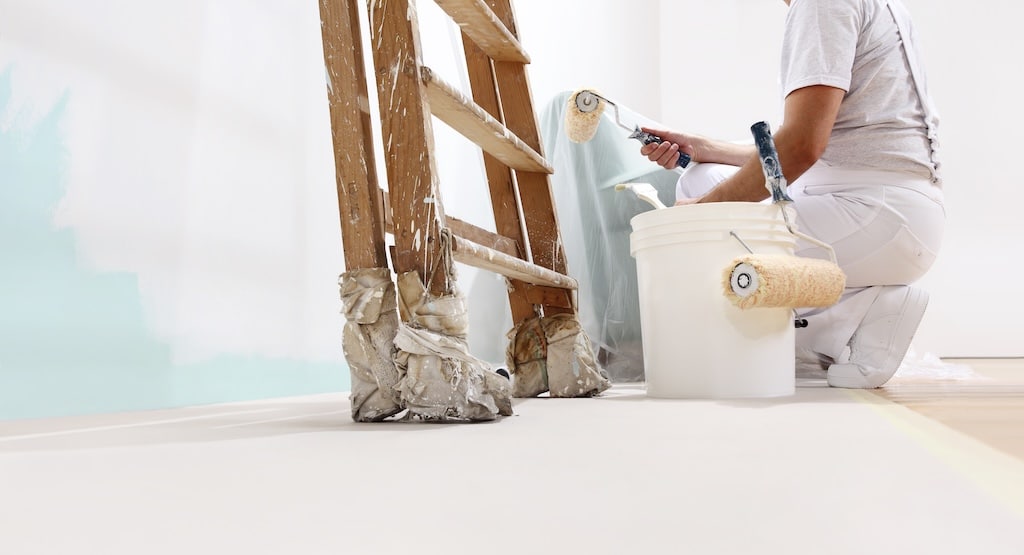
Paint quality alone does not determine durability. Preparation and application standards directly influence repaint frequency.
Surface Preparation Quality
Thorough washing removes mildew, pollen, and debris. In Portland’s damp climate, skipping this step traps contaminants beneath the coating. Over time, that weakens adhesion.
Primer Selection and Compatibility
Correct primer ensures bonding with wood siding, fiber cement, or stucco. Improper primer selection shortens coating lifespan.
Application Timing in Portland Weather
Applying paint outside recommended temperature and humidity ranges reduces curing strength. Portland’s limited dry window requires precise scheduling.
If you are evaluating your home’s condition, our residential painting services in Portland follow climate-appropriate preparation methods designed for durability.
Why Scheduled Evaluations Matter More Than a Fixed Five Year Rule
Many repaint guides provide a universal timeline. However, Portland homes demand a more tailored approach.
We recommend evaluating exterior surfaces every two years. This approach allows us to identify early deterioration before rot develops. Moreover, proactive repainting often costs less than delayed structural repairs.
Whether your property sits near the Pearl District, St Johns, Tigard, or along the Willamette River, understanding repaint timing protects both curb appeal and long-term value. When homeowners want clarity on repaint frequency in Portland, we provide detailed assessments grounded in local conditions.
When Is the Best Time of Year to Repaint a House in Portland
Choosing the right season directly affects how long exterior paint lasts in Portland Oregon. Many homeowners focus only on how often to repaint a house in Portland. However, timing within the year plays an equally important role. Because our region experiences prolonged rainfall and cooler temperatures, proper scheduling ensures strong adhesion and full curing.
According to the Oregon State University, western Oregon sees its driest stretch between late June and early September. Therefore, exterior house painting during this window often provides better drying conditions and more consistent results. Still, daily temperature swings and overnight moisture levels must also be considered.
Why Late Spring Through Early Fall Works Best in Portland
Portland’s painting season is narrower than in drier states. Consequently, careful planning matters.
During late spring, surfaces begin drying more consistently. By early summer, daytime temperatures stabilize. Additionally, lower rainfall reduces interruption risks. However, early fall can still work if forecasts remain stable and humidity stays controlled.
Homes near Mount Tabor, Hawthorne Boulevard, and the Pearl District may experience different drying patterns depending on shade and airflow. Therefore, we monitor site-specific conditions before starting any exterior repainting project.
Conditions That Can Shorten Paint Longevity Even in Summer
Even within the ideal season, certain factors reduce paint performance. We evaluate each property carefully before recommending a repaint schedule.
Surface Temperature and Direct Sun Exposure
Excessive surface heat can cause paint to dry too quickly. When that happens, proper bonding may weaken. Therefore, we adjust work sequencing to follow shade lines.
Overnight Moisture and Dew Formation
Portland evenings often bring damp air, especially near the Willamette River. If surfaces remain wet overnight, curing slows. As a result, timing daily applications becomes critical.
Air Quality and Environmental Debris
Construction dust and pollen can settle on fresh paint. Consequently, we assess surrounding conditions before final coats.
Why Interior Painting Follows a Different Seasonal Pattern
Interior painting does not depend on dry summer weather. Therefore, many homeowners schedule indoor updates during the rainy season.
We often recommend interior repainting during fall and winter for several reasons:
- Lower exterior project demand
- Controlled indoor climate conditions
- Reduced scheduling wait times
- Opportunity to refresh living spaces before spring
If you are considering upgrades beyond exterior maintenance, our interior house painting services in Portland can help improve durability and aesthetics inside your home.
How Proper Seasonal Timing Supports Long Term Value in Multnomah County
Homeowners across Sellwood, St Johns, and Tigard often ask how long exterior paint lasts in Portland weather. The answer depends partly on choosing the correct season. When paint cures under stable conditions, adhesion strengthens and protective performance improves.
At Mark Powers Painting, we evaluate weather forecasts, humidity trends, and surface conditions before recommending start dates. Taking this measured approach helps reduce premature repainting and supports long-term property protection.
If you are unsure whether this season is right for your home, we can assess current conditions and outline practical next steps based on your neighborhood and exposure level.
How Different Siding Types in Portland Change Repaint Frequency
When homeowners ask how often should you paint your house in Portland Oregon, siding material plays a critical role. Paint does not fail at the same rate on every surface. Therefore, understanding how wood, fiber cement, and stucco respond to Portland’s moisture-heavy climate helps determine the correct repaint cycle.
In neighborhoods like St Johns, where older wood homes line the streets, repaint timelines often differ from newer developments in Lake Oswego or Hillsboro. Because Portland experiences prolonged wet seasons, siding absorption rates directly impact how long exterior paint lasts.
According to the U.S. Department of Energy building durability guidance, moisture management significantly influences exterior material lifespan. Consequently, repaint frequency must align with how each siding type handles water exposure and temperature changes.
How Often to Repaint Wood Siding in Portland Homes
Wood siding remains common across Multnomah County, especially in historic areas near Alberta Arts District and Hawthorne Boulevard. However, wood expands and contracts with moisture.
Because Portland averages consistent rainfall, wood siding typically requires repainting every five to seven years. Homes with southern exposure may fade faster. Meanwhile, shaded properties may experience mildew buildup before color loss becomes visible.
We assess surface softness, paint adhesion, and caulk integrity before recommending repaint timing. Acting before peeling begins protects structural framing.
Fiber Cement Siding and Extended Repaint Cycles
Fiber cement performs differently. It resists moisture absorption more effectively than wood. Therefore, repaint intervals often extend to seven to ten years under stable conditions.
However, Portland weather still affects surface coatings. UV exposure gradually weakens paint binders. Additionally, caulk lines around trim joints still require maintenance.
Homes near Mount Tabor or along I-5 often experience greater sun impact. Consequently, repaint timing must account for directional exposure.
Stucco Surfaces and Moisture Management in West Hills Properties
Stucco appears durable, yet hairline cracking allows moisture penetration. In elevated neighborhoods like West Hills, wind-driven rain increases stress on textured surfaces.
Repaint cycles typically fall within seven to ten years. Still, surface inspection remains essential. We evaluate crack development and surface chalking before determining repaint timing.
Signs That Your Siding Material Is Affecting Paint Longevity
Siding-specific issues often indicate it is time to repaint your Portland home. We look for:
- Swelling or softness in wood panels
- Efflorescence on stucco surfaces
- Caulk separation at fiber cement joints
- Persistent mildew near shaded elevations
- Uneven fading between exposures
These indicators reveal underlying stress that may shorten paint durability. Early intervention reduces the likelihood of structural repairs.
If your siding shows early deterioration, our cabinet painting and refinishing services can also address interior updates while exterior maintenance is scheduled. Coordinating improvements often maximizes efficiency.
Why Material Evaluation Matters Before Scheduling Exterior Painting in Portland
Not every home follows the same repaint schedule. Therefore, we avoid universal timelines. Instead, we evaluate siding composition, environmental exposure, and prior workmanship quality.
Homes near the Willamette River face higher humidity. Meanwhile, properties in Tigard or Beaverton may receive more consistent airflow. These differences influence how often repainting becomes necessary.
When homeowners want clarity on repaint frequency in Portland Oregon, we provide material-based assessments grounded in local conditions. Making informed decisions about siding protection helps preserve both curb appeal and long-term property value.
Schedule Your Portland Home Painting Evaluation With Mark Powers Painting
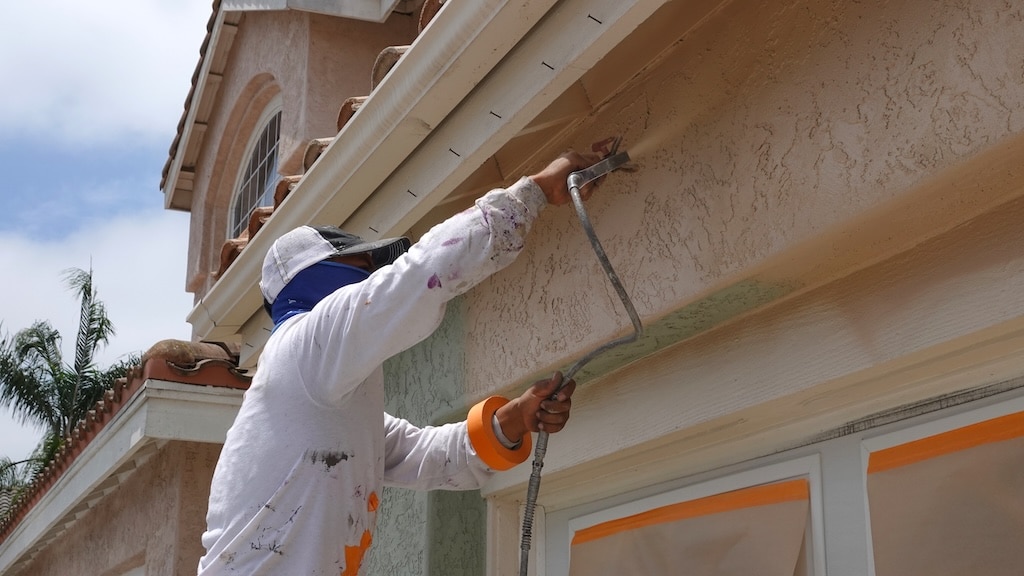
Understanding how often you should paint your house in Portland Oregon gives you clarity. However, acting at the right time protects your home’s structure and long-term value. Because Portland’s moisture levels, shade patterns, and seasonal weather shifts vary across neighborhoods like Sellwood, St Johns, and the Pearl District, repaint timing should be based on real surface conditions rather than guesswork.
At Mark Powers Painting, we evaluate siding type, exposure levels, prior paint performance, and overall surface health before recommending a repaint schedule. We do not rely on generic timelines. Instead, we provide clear, condition-based guidance tailored to homes throughout Multnomah County and nearby communities.
If you are unsure how long your exterior paint should last in Portland’s climate, visit our Contact Page to Schedule Your Free Painting Estimate and request a professional evaluation grounded in local experience.
Taking action before visible paint failure helps prevent unnecessary repairs and protects the character of your home. Let us help you determine the right repaint schedule with confidence and clarity.